








Not all magnesium products are the same, and the differences are worth paying attention to
Magnesium has become one of the most widely used minerals in modern health routines, often associated with muscle relaxation, recovery, and sleep support.
Most of the conversation centers around oral supplementation, yet topical magnesium has steadily gained traction as an alternative approach. Sprays, lotions, gels, and bath flakes all promise a similar outcome, but they are not interchangeable.
The way magnesium is sourced, formulated, and applied can influence both the experience and how it fits into your routine.
If you are considering topical magnesium, it helps to look more closely at what actually differentiates one product from another.
1. The Source of Magnesium Shapes the Final Product
Topical magnesium products are most often made with magnesium chloride, though some formats such as bath flakes may use magnesium sulfate, commonly known as Epsom salt.
These forms differ in structure, concentration, and how they are typically used.
Magnesium chloride is commonly used in oils, lotions, and gels because of its solubility and versatility. Magnesium sulfate is more often used in bath-based applications, where it dissolves into water and is used across a larger surface area.
Beyond the form itself, the origin of the magnesium matters.
Some sources are derived from modern industrial processes, while others come from naturally occurring deposits formed over long geological periods. In the case of ancient seabed deposits, the magnesium is often valued for its consistency and trace mineral profile.
Rather than focusing only on the type of magnesium, it is worth considering where it comes from and how it was processed before becoming a finished product.
The source of magnesium influences not just purity, but the overall integrity of the product.
2. The Form You Choose Should Match How You Plan to Use It
Topical magnesium is available in several formats, and each one creates a different experience.
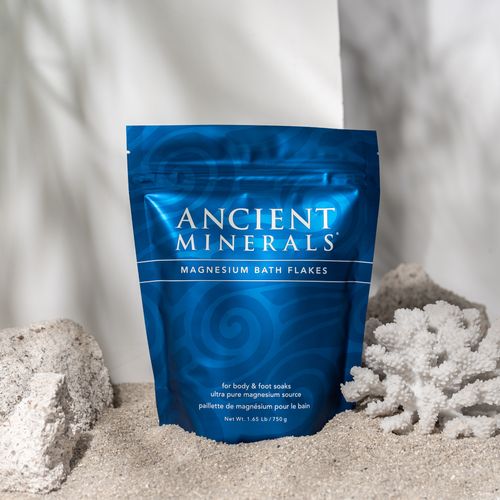
Oils and gels tend to feel more direct and concentrated, making them easy to apply to specific areas. Gels offer a slightly thicker consistency that stays in place longer. Lotions and creams provide a more buffered application and are often preferred for sensitive skin or daily use. Bath flakes offer a more immersive approach, allowing magnesium to be used across the entire body.
These differences are not just about preference. They influence how the product fits into your routine and how consistently you are likely to use it.
Form also determines what else comes with the magnesium.
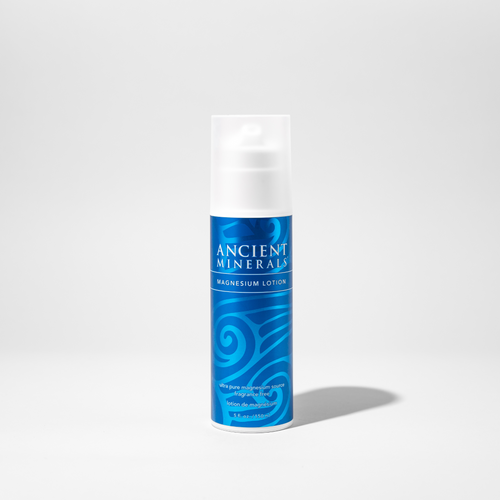
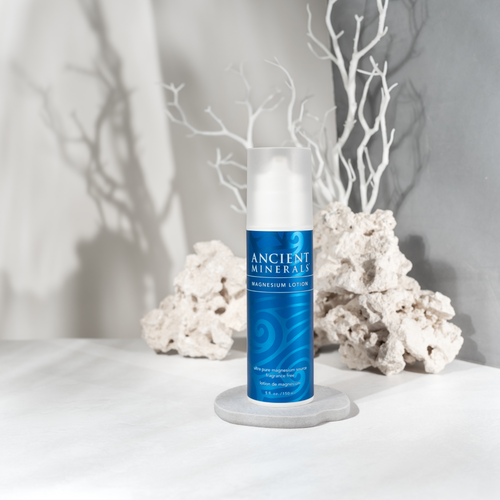
Lotions and creams, for example, may include a range of additional ingredients that influence texture, absorption, and shelf stability. Some of these ingredients are included to support the experience, while others may simply serve a functional role in the formulation itself.
Looking at the full ingredient list can often provide a clearer picture of how a product is designed.
The best form is not the strongest, but the one you will actually use consistently.
3. Skin Sensation Is Common, but It Is Not the Point
One of the most common questions around topical magnesium is the sensation it can create on the skin.
Some people experience tingling, itching, or a warming feeling, particularly when first using magnesium oils or gels. This response can be influenced by several factors, including skin condition, concentration, frequency of use, and individual sensitivity.
In many cases, the sensation decreases over time as the skin adapts. Formulation also plays a role, as products delivered in a lotion or buffered base may feel more comfortable for some individuals.
It is worth noting that sensation is not a measure of effectiveness. It is simply part of how the product interacts with the skin. Knowing this ahead of time helps set expectations and allows you to choose a format that aligns with your comfort level.
4. Consistency Matters More Than Intensity
Topical magnesium is rarely used as a one-time intervention. It is most often incorporated into a daily or near-daily routine.
Because of this, how easily a product fits into your lifestyle becomes more important than how strong it feels in a single use.
A spray that is quick to apply, a lotion that becomes part of an evening routine, or a bath that is used regularly can all serve different purposes. The key is whether the product supports consistent use.
From a functional standpoint, repeated exposure tends to matter more than occasional high-intensity application.
Topical magnesium works best as a rhythm, not a one-time solution.
5. Topical Magnesium Is Part of a Larger System
Magnesium does not operate in isolation.
It interacts with hydration, mineral balance, stress levels, and overall lifestyle. Topical use can be a valuable addition, but it works best when it is part of a broader approach.
Historically, magnesium exposure came from multiple sources, including water, food, and environmental contact. Modern routines often require a more intentional approach to restore that exposure.
Topical magnesium can play a role in that process, but it is one piece of a larger system.
How to Choose a Topical Magnesium
When you look at a product, a few simple questions can help clarify what you are actually getting:
- What form is it in, and does that match how you plan to use it?
- What is the magnesium source, and is it clearly identified?
- Are the additional ingredients there to support the experience, or simply to stabilize or add scent to the product?
- Is it something you can use consistently without friction?
- The goal is not to find the most concentrated product, but the one that fits your routine and supports long-term use.
What This Comes Down To
Topical magnesium is often discussed in simple terms, but the reality is more nuanced.
Source, formulation, delivery method, and consistency all shape the experience. Looking at these factors more closely shifts the decision from choosing based on marketing claims to choosing based on how a product aligns with your needs.
Frequently asked questions
Does topical magnesium absorb through the skin?
Magnesium chloride is highly soluble and widely used in topical applications because of how easily it disperses across the skin.
Research on transdermal magnesium absorption is still evolving, and studies vary in how uptake is measured. At the same time, real-world use and basic physiology suggest that topical magnesium can play a meaningful role in how the body interacts with this mineral. Topical magnesium has been used for years as part of daily routines focused on muscle relaxation and recovery.
From a functional perspective, the skin is not an impermeable barrier. It is a dynamic interface that allows certain substances to pass through, particularly when delivered in a soluble form.
For this reason, topical magnesium is often used as a complementary approach alongside dietary intake, offering another way to incorporate magnesium into a daily routine.
What is the difference between magnesium chloride and magnesium sulfate?
Magnesium chloride and magnesium sulfate are both used in topical applications, but they differ in structure, origin, and how they are typically used.
Magnesium chloride is highly soluble and often sourced from ancient seabed deposits, where it has been preserved over long geological periods, and is valued for its consistency and mineral profile.
Magnesium sulfate, more commonly known as Epsom salt, is typically produced through industrial processes and is most often used in bath-based applications, where it dissolves into water and is applied across a larger surface area.
Because of these differences, the two forms are not interchangeable. Each is suited to a different type of use, with magnesium chloride more commonly used for direct, leave-on applications and magnesium sulfate used for soak-based routines.
Why does magnesium oil feel oily if it does not contain oil?
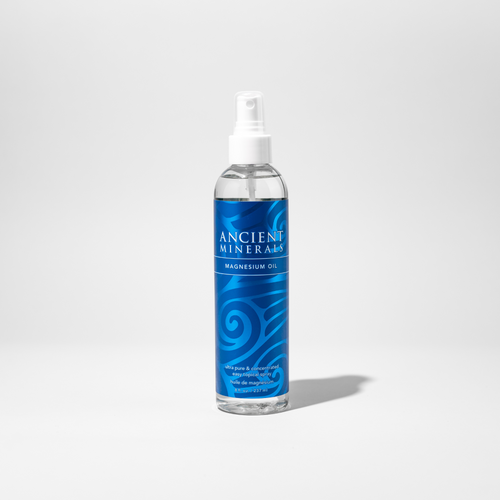
Magnesium oil is not actually an oil. It is a highly concentrated solution of magnesium chloride dissolved in water.
Magnesium chloride is extremely soluble, which means a large amount can be dissolved into a relatively small volume of water. This creates a dense, mineral-rich solution that feels slick or slightly tacky when applied to the skin, often giving it an oil-like texture.
That same solubility is part of why magnesium chloride is commonly used in topical products. It dissolves easily, spreads readily across the skin, and can be formulated into a range of applications.
The sensation itself is simply a physical property of the solution, not an indication that the product contains oil.
Is tingling a sign that magnesium is working?
Not necessarily. Tingling is more closely related to skin sensitivity and concentration than effectiveness.
Some people experience it, while others do not.
Can topical magnesium replace oral magnesium?
Topical magnesium is typically used as a complement to dietary intake rather than a replacement.
Magnesium from food and oral supplements remains an important part of overall intake.
What should I avoid in a topical magnesium product?
Rather than focusing on avoiding specific ingredients, it can be helpful to look at the overall formulation.
Products with simpler ingredient profiles often provide a clearer sense of what is being applied, while more complex formulations may include additional components that influence texture, scent, or shelf life.
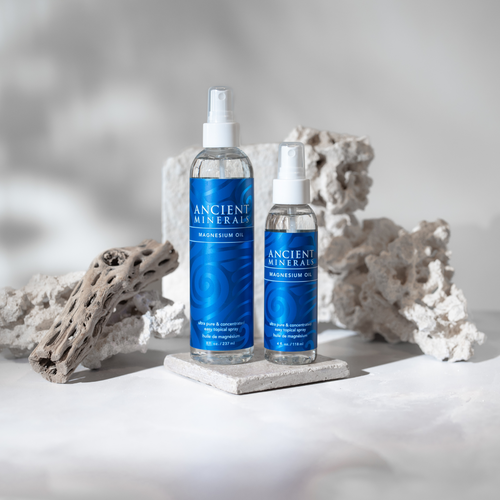
Not all magnesium products are the same, and the differences are worth paying attention to
Magnesium has become one of the most widely used minerals in modern health routines, often associated with muscle relaxation, recovery, and sleep support.
Most of the conversation centers around oral supplementation, yet topical magnesium has steadily gained traction as an alternative approach. Sprays, lotions, gels, and bath flakes all promise a similar outcome, but they are not interchangeable.
The way magnesium is sourced, formulated, and applied can influence both the experience and how it fits into your routine.
If you are considering topical magnesium, it helps to look more closely at what actually differentiates one product from another.
1. The Source of Magnesium Shapes the Final Product
Topical magnesium products are most often made with magnesium chloride, though some formats such as bath flakes may use magnesium sulfate, commonly known as Epsom salt.
These forms differ in structure, concentration, and how they are typically used.
Magnesium chloride is commonly used in oils, lotions, and gels because of its solubility and versatility. Magnesium sulfate is more often used in bath-based applications, where it dissolves into water and is used across a larger surface area.
Beyond the form itself, the origin of the magnesium matters.
Some sources are derived from modern industrial processes, while others come from naturally occurring deposits formed over long geological periods. In the case of ancient seabed deposits, the magnesium is often valued for its consistency and trace mineral profile.
Rather than focusing only on the type of magnesium, it is worth considering where it comes from and how it was processed before becoming a finished product.
The source of magnesium influences not just purity, but the overall integrity of the product.
2. The Form You Choose Should Match How You Plan to Use It
Topical magnesium is available in several formats, and each one creates a different experience.
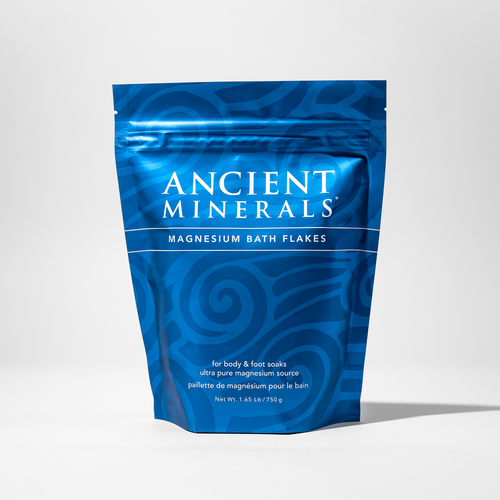
Oils and gels tend to feel more direct and concentrated, making them easy to apply to specific areas. Gels offer a slightly thicker consistency that stays in place longer. Lotions and creams provide a more buffered application and are often preferred for sensitive skin or daily use. Bath flakes offer a more immersive approach, allowing magnesium to be used across the entire body.
These differences are not just about preference. They influence how the product fits into your routine and how consistently you are likely to use it.
Form also determines what else comes with the magnesium.
Lotions and creams, for example, may include a range of additional ingredients that influence texture, absorption, and shelf stability. Some of these ingredients are included to support the experience, while others may simply serve a functional role in the formulation itself.
Looking at the full ingredient list can often provide a clearer picture of how a product is designed.
The best form is not the strongest, but the one you will actually use consistently.
3. Skin Sensation Is Common, but It Is Not the Point
One of the most common questions around topical magnesium is the sensation it can create on the skin.
Some people experience tingling, itching, or a warming feeling, particularly when first using magnesium oils or gels. This response can be influenced by several factors, including skin condition, concentration, frequency of use, and individual sensitivity.
In many cases, the sensation decreases over time as the skin adapts. Formulation also plays a role, as products delivered in a lotion or buffered base may feel more comfortable for some individuals.
It is worth noting that sensation is not a measure of effectiveness. It is simply part of how the product interacts with the skin. Knowing this ahead of time helps set expectations and allows you to choose a format that aligns with your comfort level.
4. Consistency Matters More Than Intensity
Topical magnesium is rarely used as a one-time intervention. It is most often incorporated into a daily or near-daily routine.
Because of this, how easily a product fits into your lifestyle becomes more important than how strong it feels in a single use.
A spray that is quick to apply, a lotion that becomes part of an evening routine, or a bath that is used regularly can all serve different purposes. The key is whether the product supports consistent use.
From a functional standpoint, repeated exposure tends to matter more than occasional high-intensity application.
Topical magnesium works best as a rhythm, not a one-time solution.
5. Topical Magnesium Is Part of a Larger System
Magnesium does not operate in isolation.
It interacts with hydration, mineral balance, stress levels, and overall lifestyle. Topical use can be a valuable addition, but it works best when it is part of a broader approach.
Historically, magnesium exposure came from multiple sources, including water, food, and environmental contact. Modern routines often require a more intentional approach to restore that exposure.
Topical magnesium can play a role in that process, but it is one piece of a larger system.
How to Choose a Topical Magnesium
When you look at a product, a few simple questions can help clarify what you are actually getting:
- What form is it in, and does that match how you plan to use it?
- What is the magnesium source, and is it clearly identified?
- Are the additional ingredients there to support the experience, or simply to stabilize or add scent to the product?
- Is it something you can use consistently without friction?
- The goal is not to find the most concentrated product, but the one that fits your routine and supports long-term use.
What This Comes Down To
Topical magnesium is often discussed in simple terms, but the reality is more nuanced.
Source, formulation, delivery method, and consistency all shape the experience. Looking at these factors more closely shifts the decision from choosing based on marketing claims to choosing based on how a product aligns with your needs.
Frequently asked questions
Does topical magnesium absorb through the skin?
Magnesium chloride is highly soluble and widely used in topical applications because of how easily it disperses across the skin.
Research on transdermal magnesium absorption is still evolving, and studies vary in how uptake is measured. At the same time, real-world use and basic physiology suggest that topical magnesium can play a meaningful role in how the body interacts with this mineral. Topical magnesium has been used for years as part of daily routines focused on muscle relaxation and recovery.
From a functional perspective, the skin is not an impermeable barrier. It is a dynamic interface that allows certain substances to pass through, particularly when delivered in a soluble form.
For this reason, topical magnesium is often used as a complementary approach alongside dietary intake, offering another way to incorporate magnesium into a daily routine.
What is the difference between magnesium chloride and magnesium sulfate?
Magnesium chloride and magnesium sulfate are both used in topical applications, but they differ in structure, origin, and how they are typically used.
Magnesium chloride is highly soluble and often sourced from ancient seabed deposits, where it has been preserved over long geological periods, and is valued for its consistency and mineral profile.
Magnesium sulfate, more commonly known as Epsom salt, is typically produced through industrial processes and is most often used in bath-based applications, where it dissolves into water and is applied across a larger surface area.
Because of these differences, the two forms are not interchangeable. Each is suited to a different type of use, with magnesium chloride more commonly used for direct, leave-on applications and magnesium sulfate used for soak-based routines.
Why does magnesium oil feel oily if it does not contain oil?
Magnesium oil is not actually an oil. It is a highly concentrated solution of magnesium chloride dissolved in water.
Magnesium chloride is extremely soluble, which means a large amount can be dissolved into a relatively small volume of water. This creates a dense, mineral-rich solution that feels slick or slightly tacky when applied to the skin, often giving it an oil-like texture.
That same solubility is part of why magnesium chloride is commonly used in topical products. It dissolves easily, spreads readily across the skin, and can be formulated into a range of applications.
The sensation itself is simply a physical property of the solution, not an indication that the product contains oil.
Is tingling a sign that magnesium is working?
Not necessarily. Tingling is more closely related to skin sensitivity and concentration than effectiveness.
Some people experience it, while others do not.
Can topical magnesium replace oral magnesium?
Topical magnesium is typically used as a complement to dietary intake rather than a replacement.
Magnesium from food and oral supplements remains an important part of overall intake.
What should I avoid in a topical magnesium product?
Rather than focusing on avoiding specific ingredients, it can be helpful to look at the overall formulation.
Products with simpler ingredient profiles often provide a clearer sense of what is being applied, while more complex formulations may include additional components that influence texture, scent, or shelf life.